

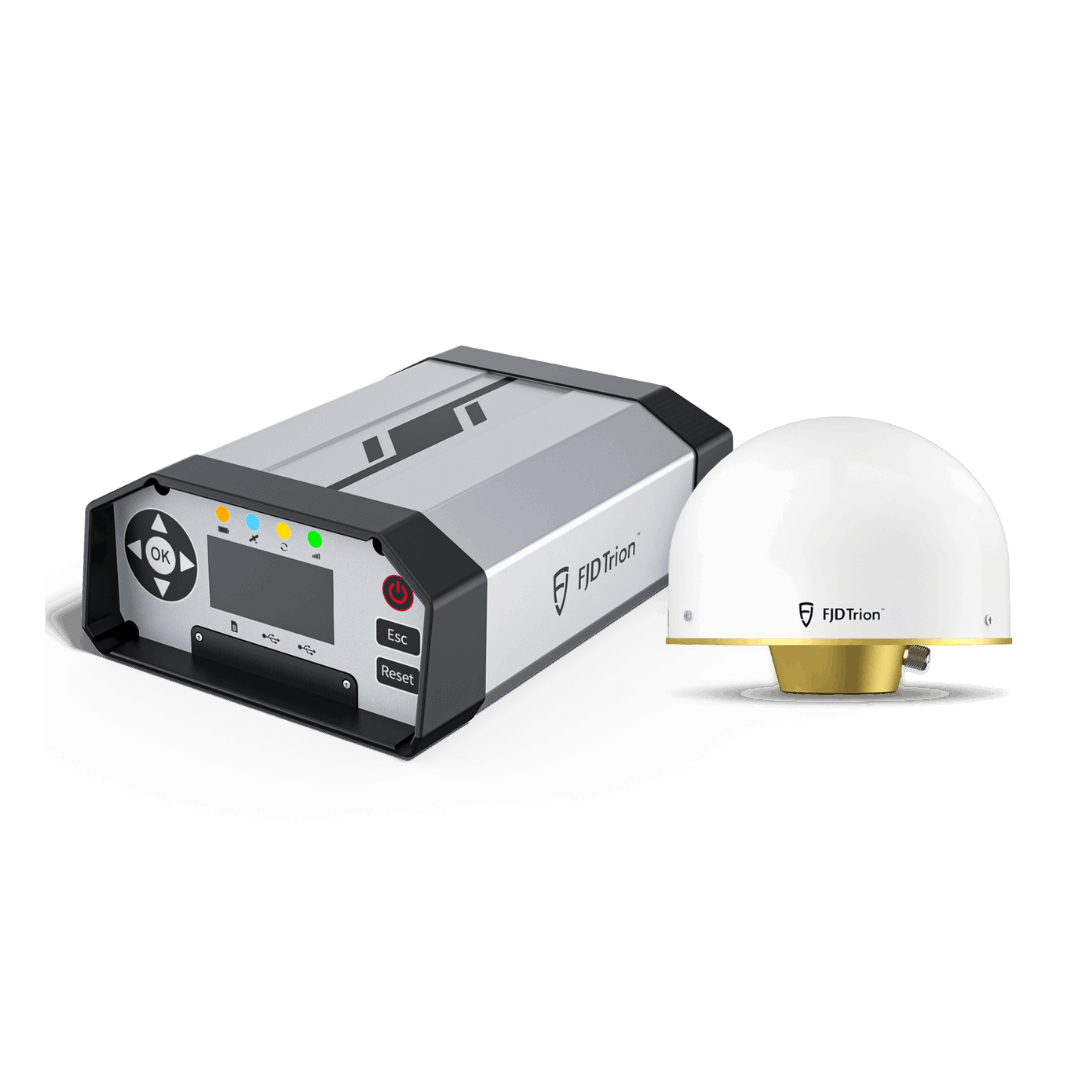
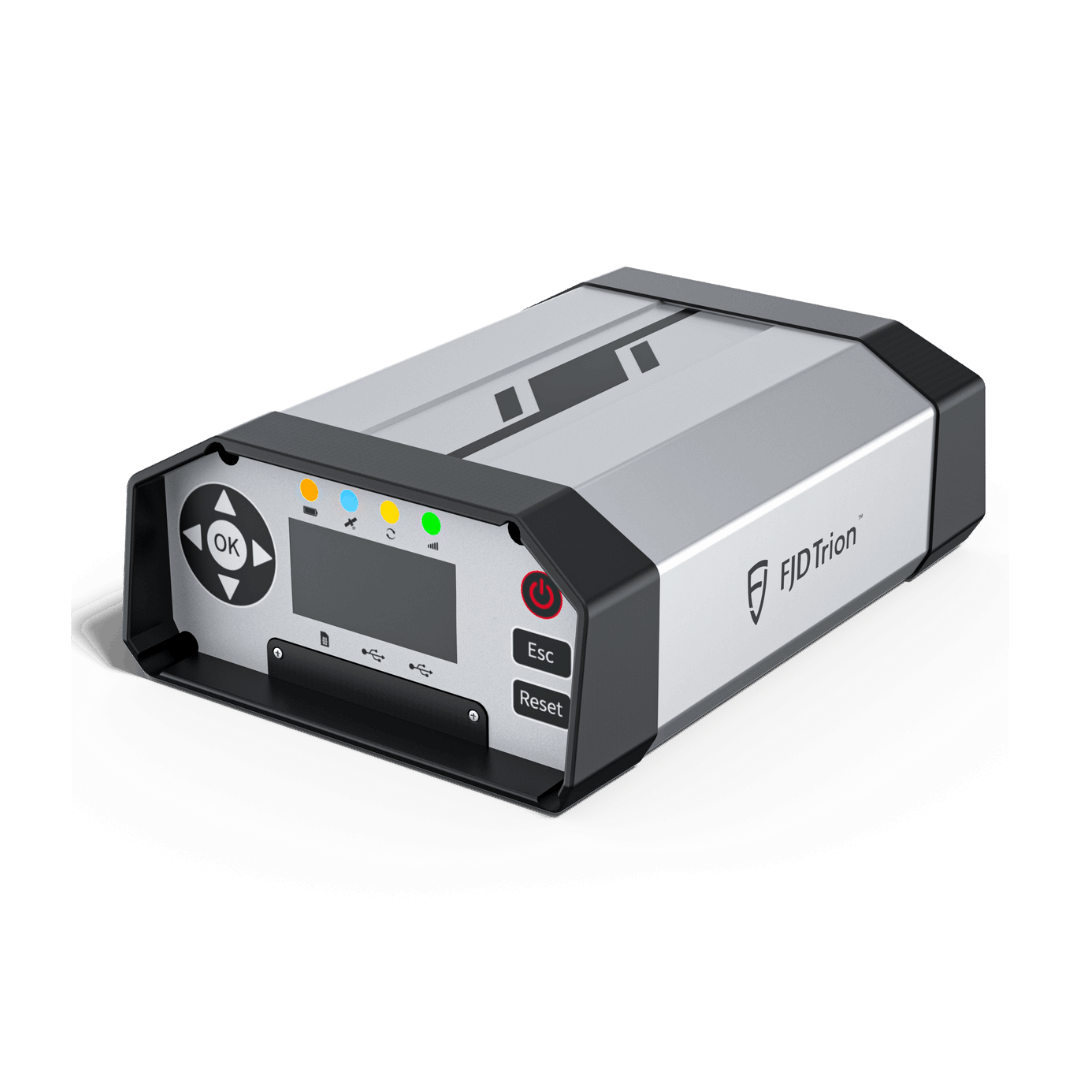
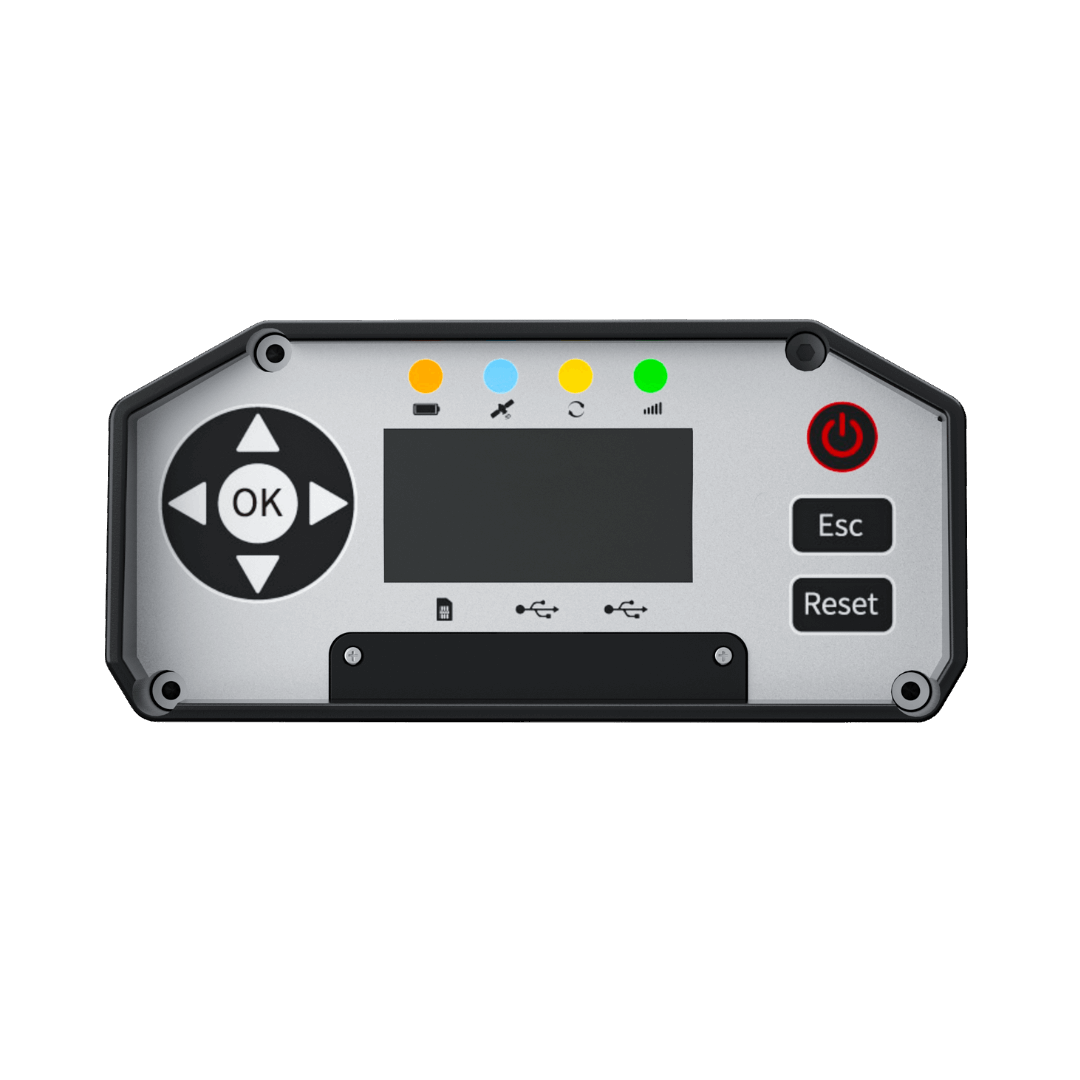
SYSTÈME CORS FJD Trion N10
Système GNSS CORS hautes performances offrant des corrections RTK rapides, stables et précises pour l'agriculture, l'arpentage et la robotique.
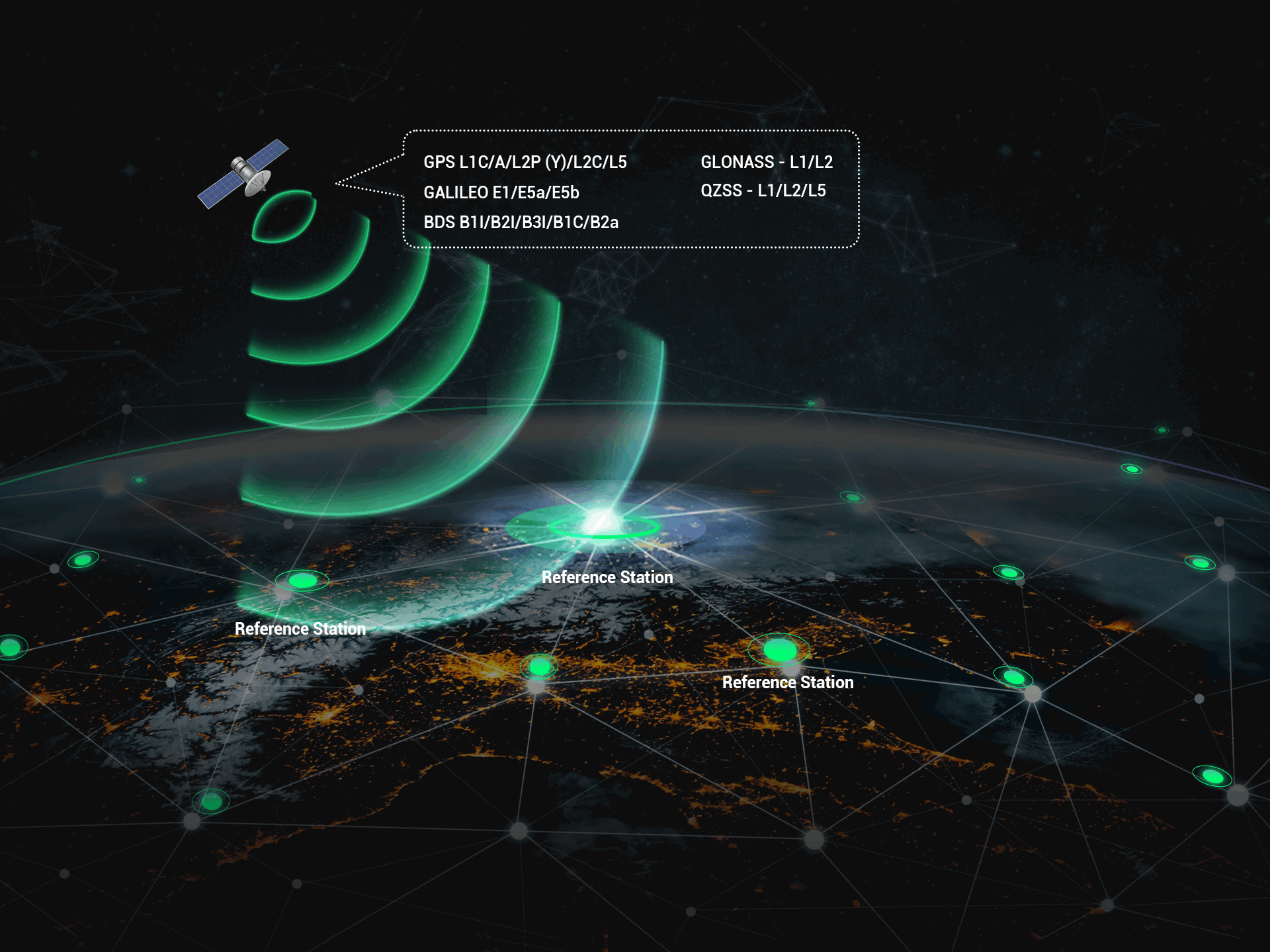
- Multi-constellation et multi-fréquence : Prend en charge les systèmes GPS, GLONASS, Galileo, BDS et QZSS sur 16 bandes de fréquences.
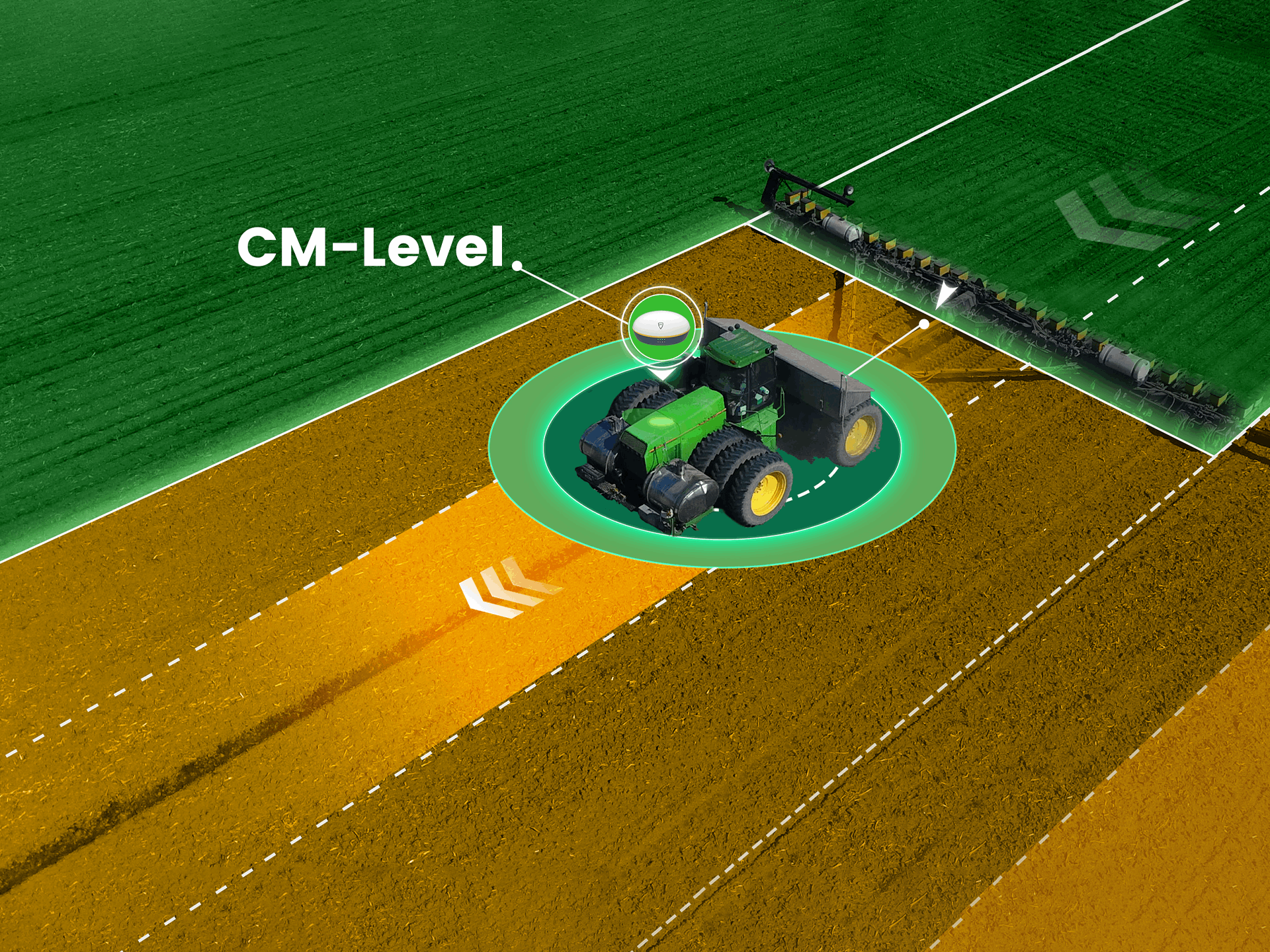
- Précision au centimètre près : Prise en charge RTK et VRS simples, précision horizontale supérieure à 2 cm, précision verticale supérieure à 5 cm.
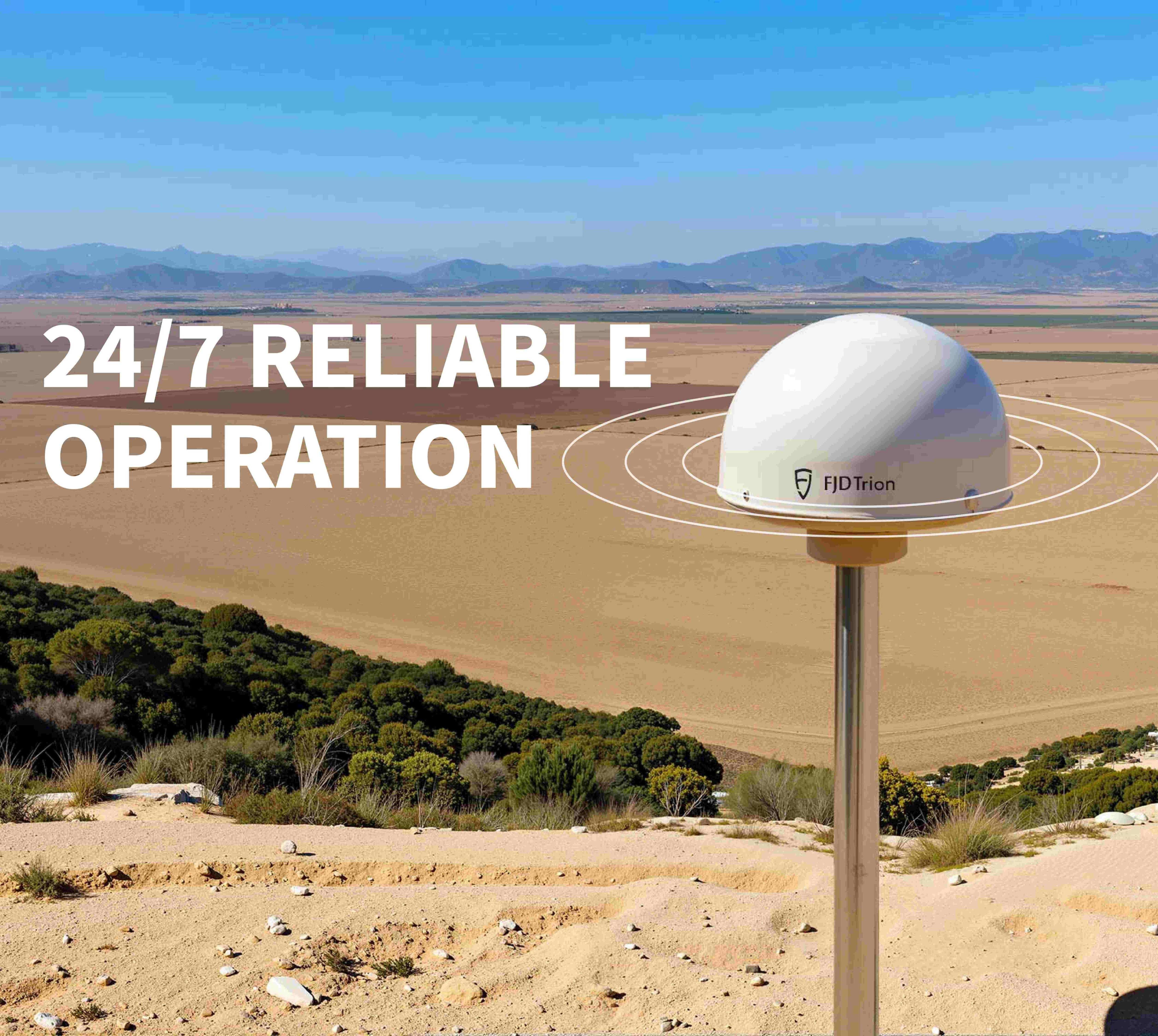
- Fonctionnement fiable 24h/24 et 7j/7 : Service de données de correction continue, avec une batterie intégrée prenant en charge une autonomie de ≥24 h et un MTBF de ≥25 000 h.
-
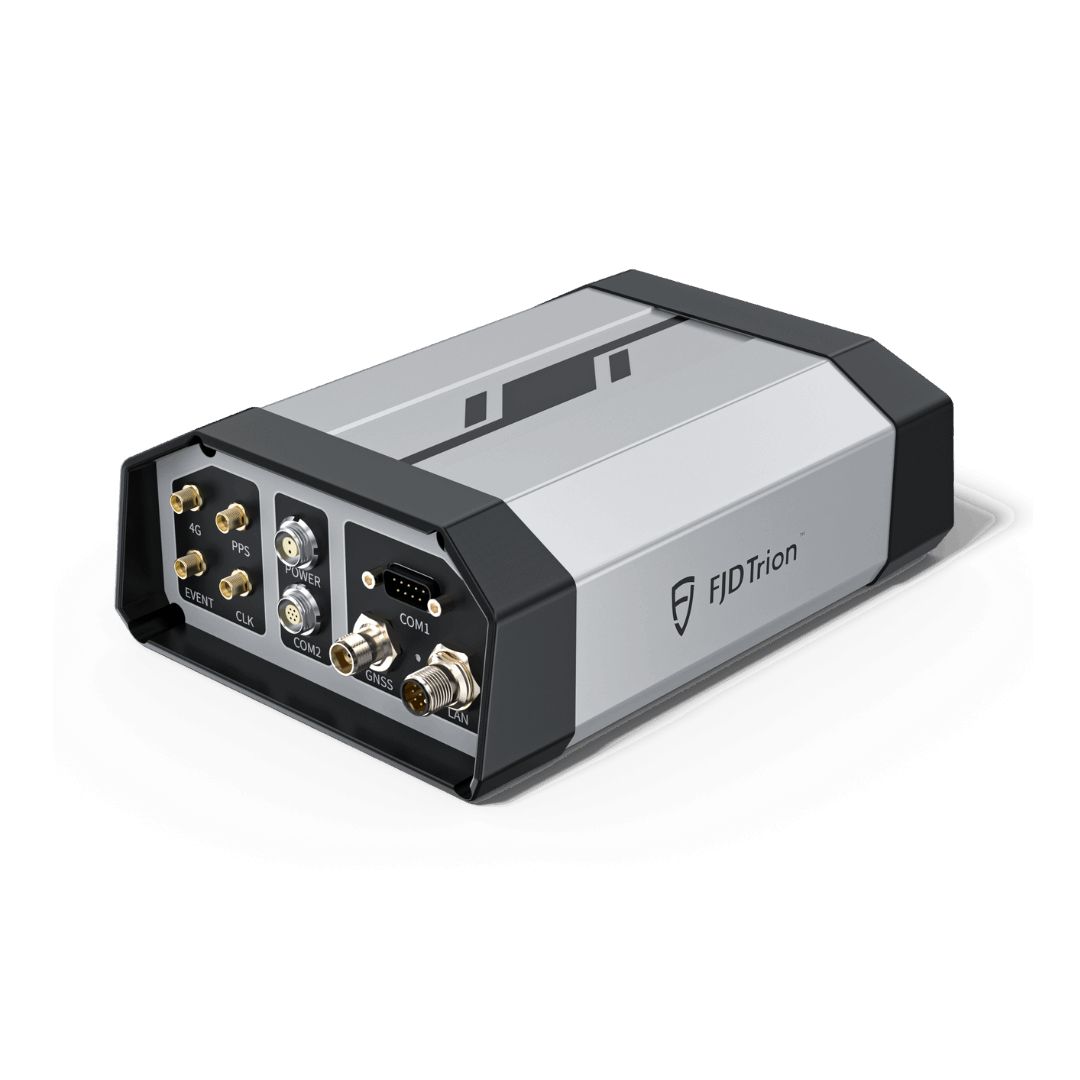
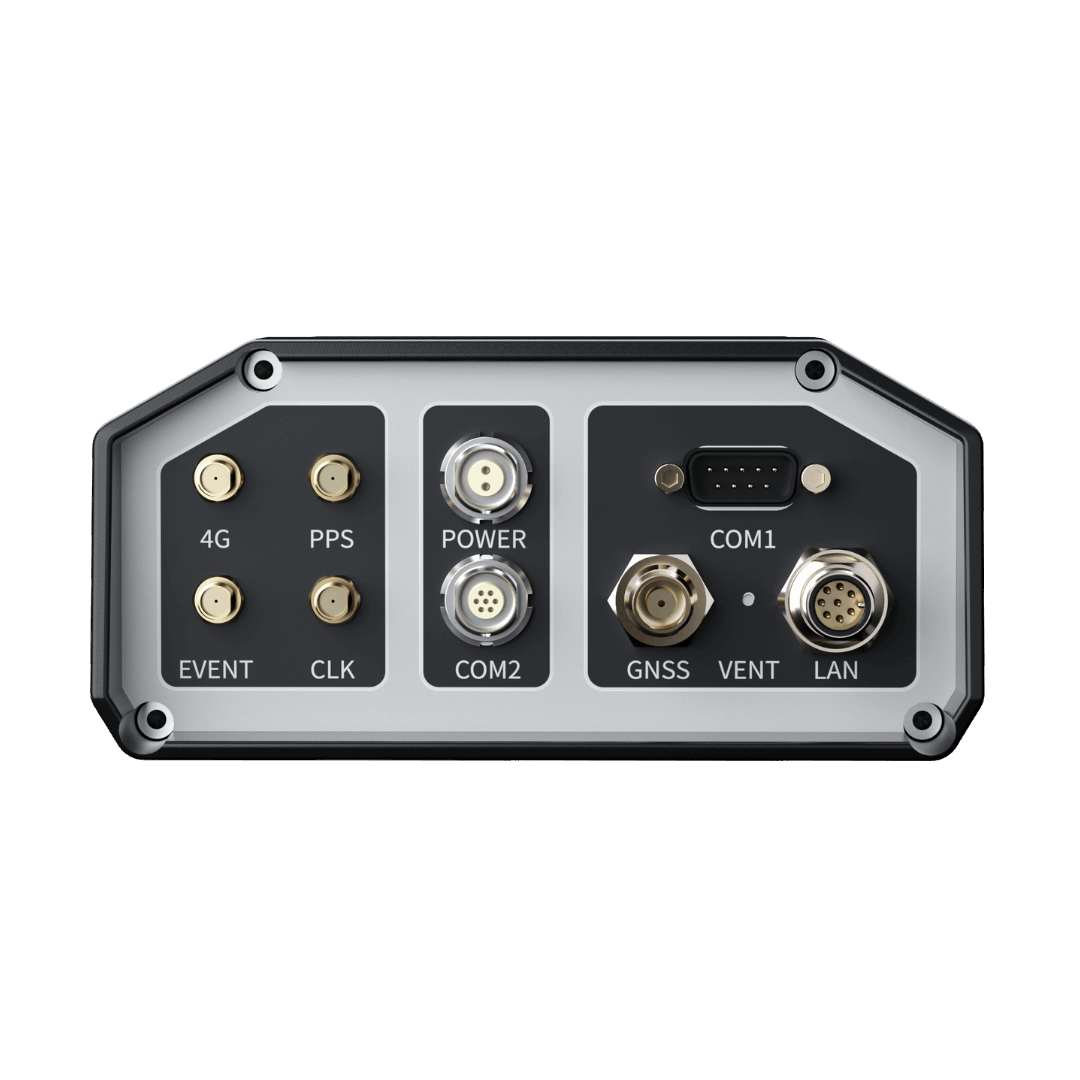
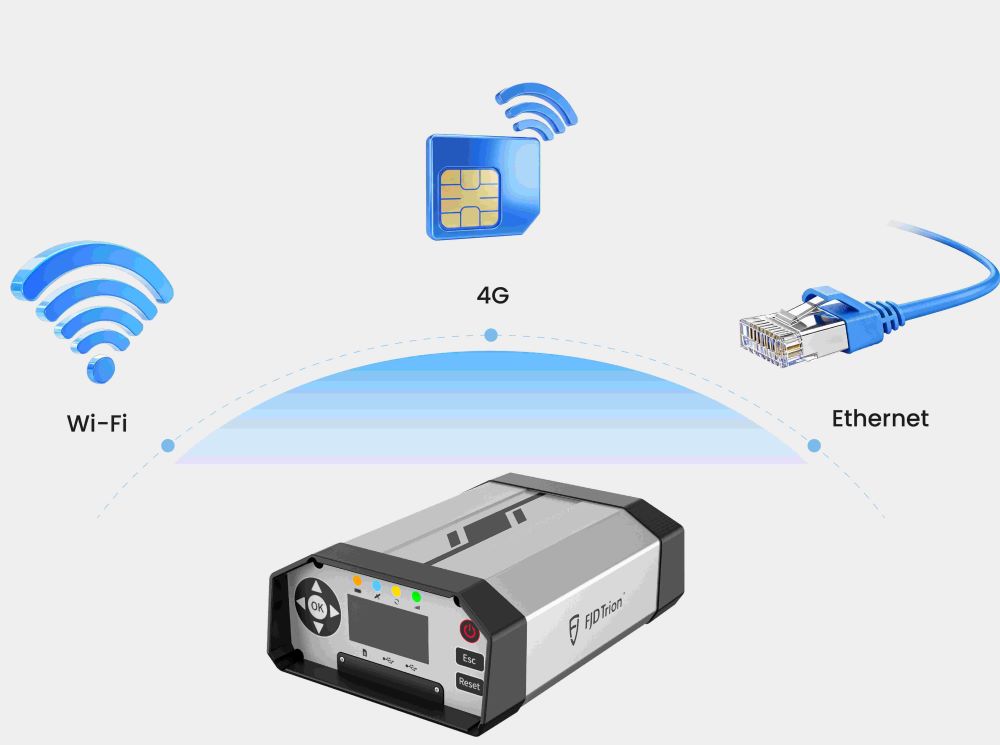
Connectivité réseau polyvalente : Compatible Ethernet, 4G et Wi-Fi, avec redondance et sauvegarde automatiques, assurant une transmission de données ininterrompue.
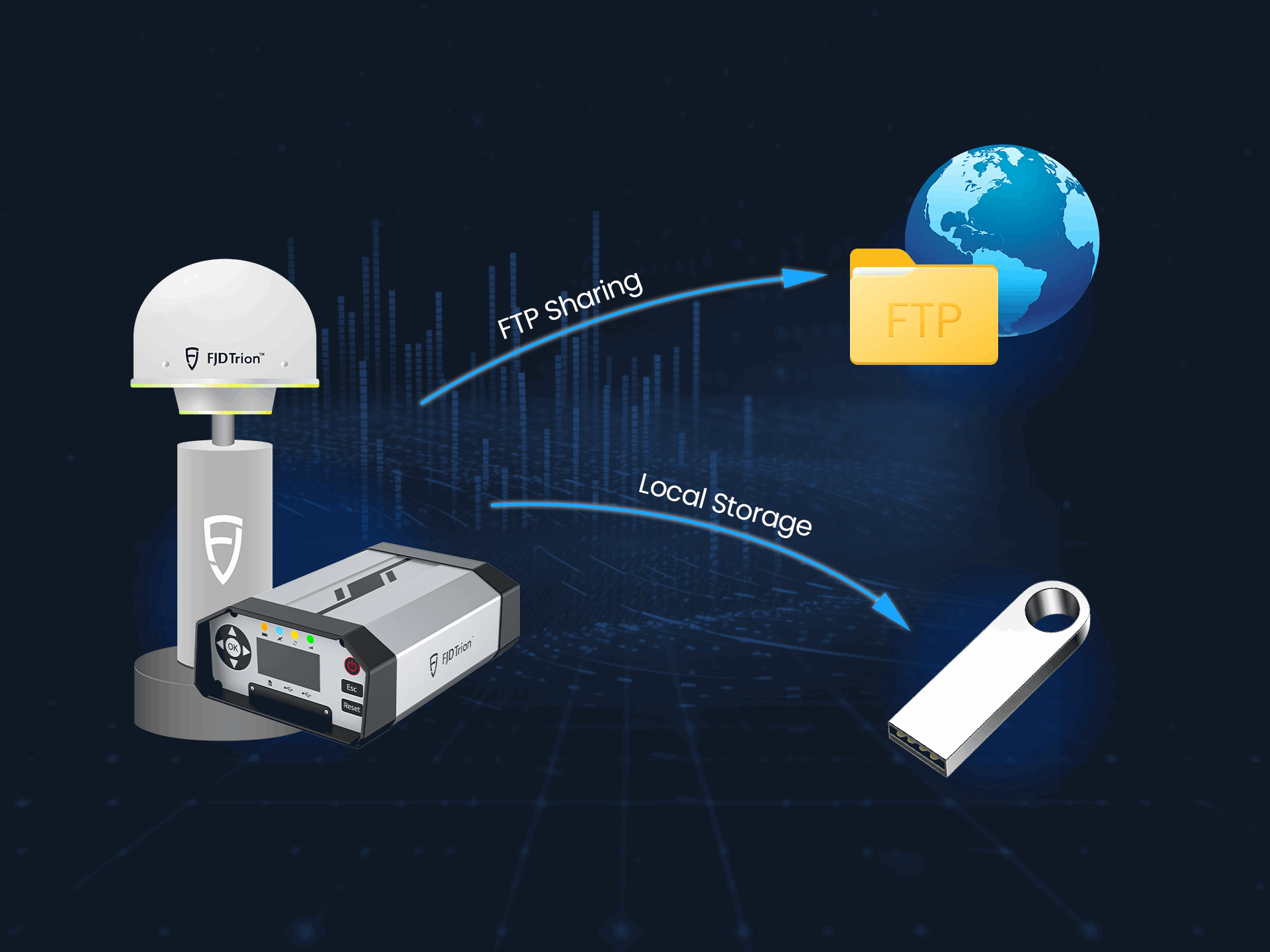
- Gestion intelligente des données : Il intègre un système d'envoi FTP pour les données d'observation brutes et un stockage cyclique local afin de garantir un transfert efficace et une sauvegarde sécurisée.
 Get it between -






Benefit

Precision & Efficiency
The FJD Trion N10 GNSS CORS system delivers fast and stable RTK corrections with centimeter-level accuracy. Multi-constellation and multi-frequency support ensure reliable positioning for agriculture, land surveying, and robotics applications.

Compatibility & Speed
Fully compatible with mainstream RTK devices, the system supports RTCM2.x/3.x and NTRIP protocols. Quick setup and seamless connectivity make integration efficient for professional GNSS networks.

Management & Maintenance
Simplify station operations with remote management via the FLBS platform. Automatic alerts, NTRIP account management, and data backup reduce downtime and maintenance costs, ensuring reliable CORS network performance.
Specifications
System Capabilities and Connectivity
| Signal | BDS B1I/B2I/B3I/B1C/B2a GPS L1C/A/L2P (Y)/L2C/L5 GLONASS L1/L2 Galileo E1/E5a/E5b QZSS L1/L2/L5 |
| Single Point Position (RMS) | Horizontal: 1.5 m Vertical: 2.5 m |
| RTK (RMS) | Horizontal: 0.8 cm + 1 ppm Vertical: 1.5 cm + 1 ppm |
| Static Post-processing (RMS) | Horizontal: 2.5 mm + 1 ppm Vertical: 5.0 mm + 1 ppm |
| Update Rate | Up to 5 Hz |
| Protocols | NMEA-0183, RTCM2.x/3.x |
| Network Protocol | NTRIP/TCP |
Operating Environment
| Operating Temperature | -40°C ~ +65°C |
| Storage Temperature | -40°C ~ +80°C |
| IP Rating | IP67 |
Power Supply
| Input Voltage | AC 90-260V DC 9-36V |
| Power Consumption (Standard) | 5W |
Package Contents Overview
The following lists detail the complete components included in the FJD N10 GNSS Reference Receiver system and the Choke Ring Antenna. Each item is carefully packed to ensure safe delivery and seamless setup, providing all necessary accessories, cables, and documentation required for immediate deployment and operation. For a closer look, please watch our N10 Product Packaging Video, which demonstrates the unboxing and all included components.

Receiver Packing List
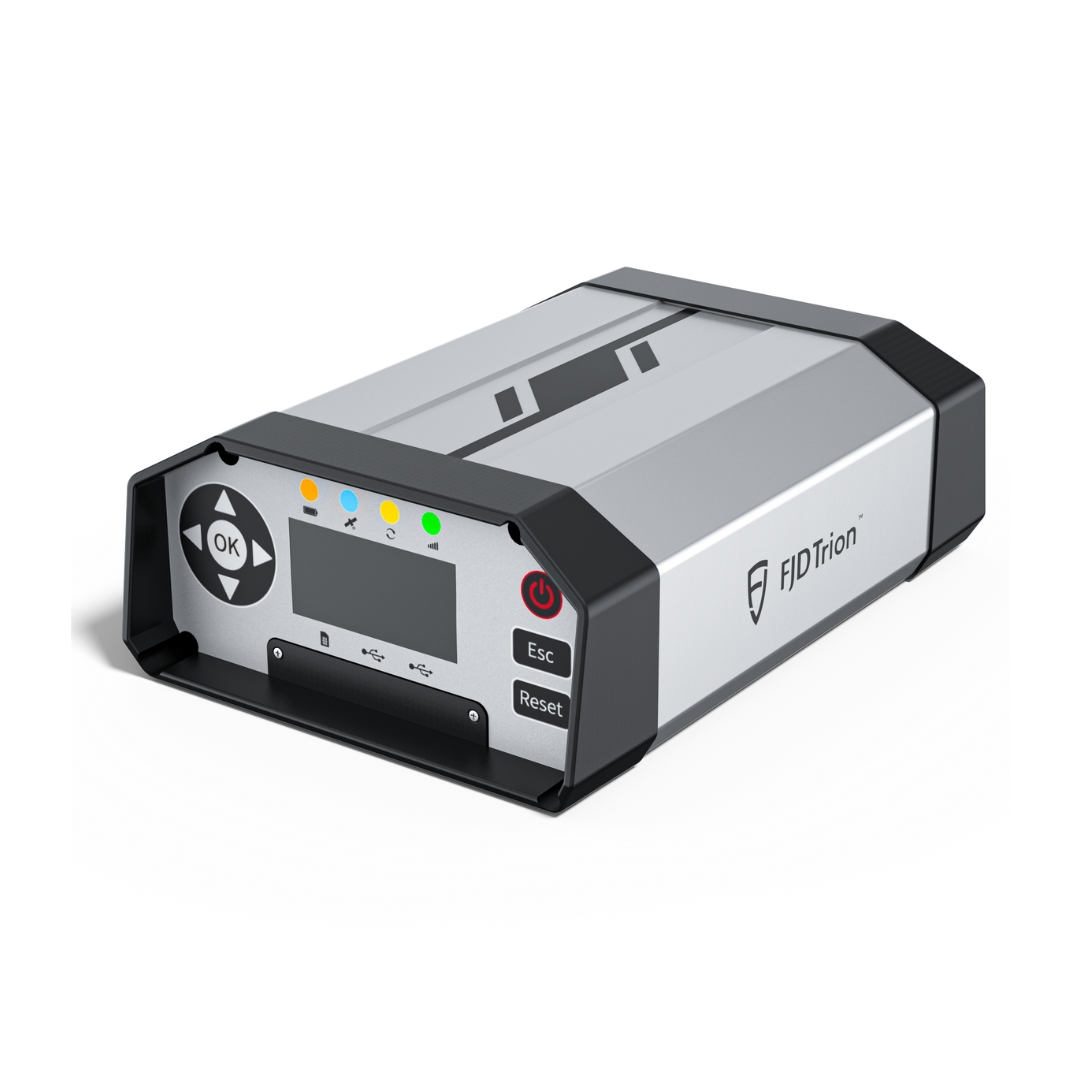
N10 GNSS Reference Receiver *1
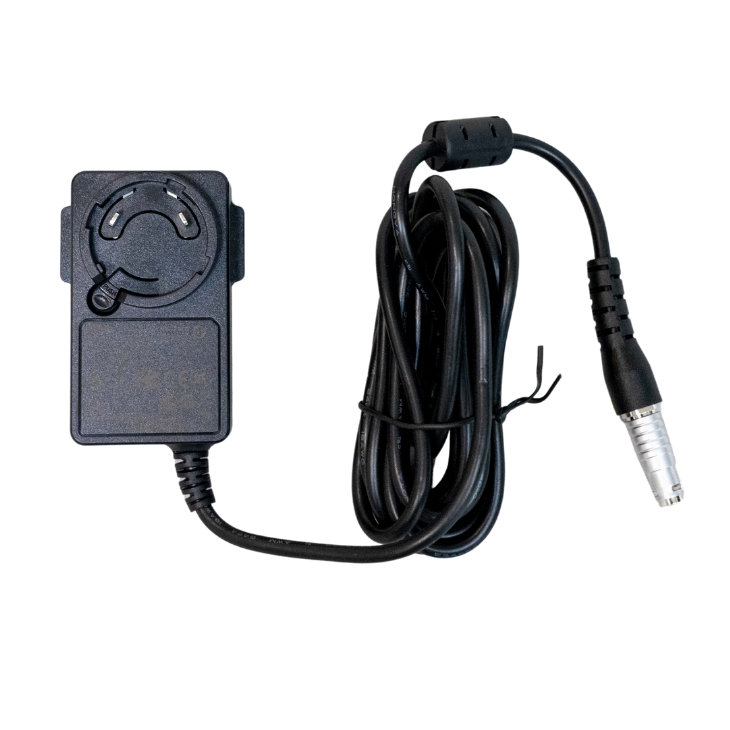
Power Adaptor *1
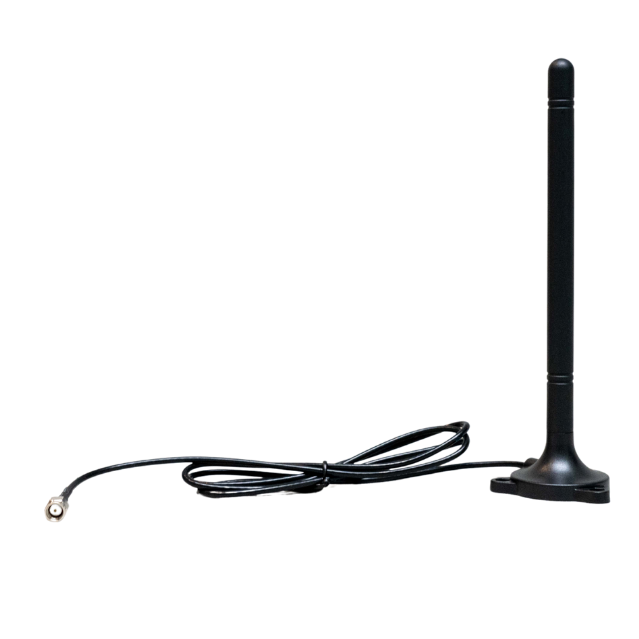
4G Antenna *1
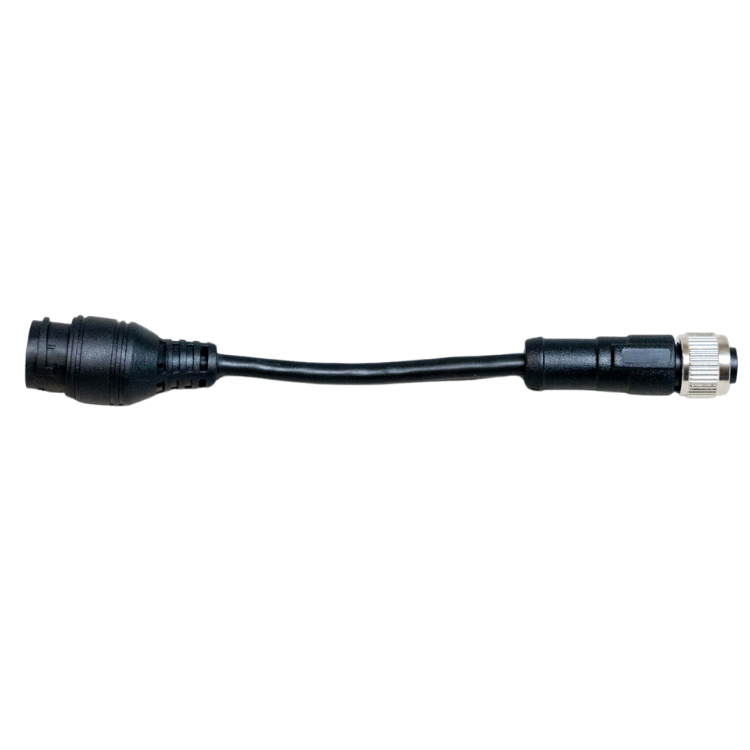
LAN Cable *1
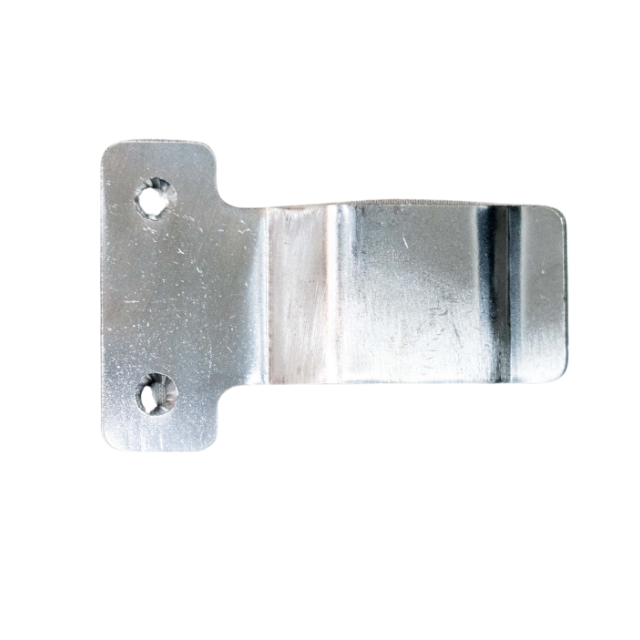
M3 Hexagon Socket Cap Screws *2

M3 Hexagon Socket Cap Screws *2
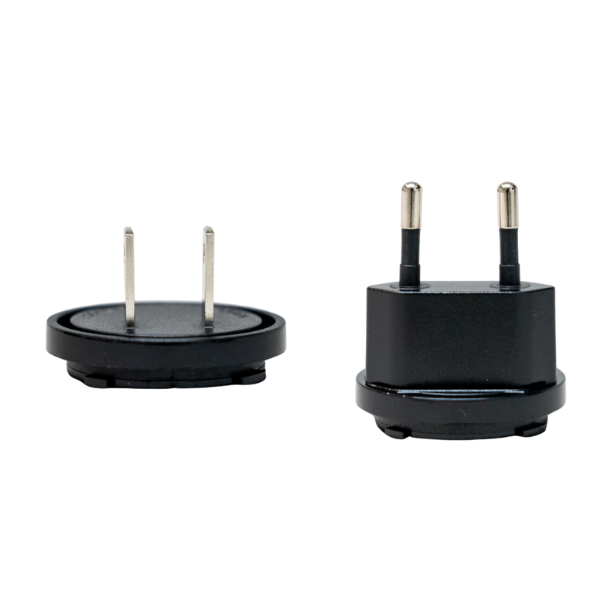
US Plug / UK Plug (choose one)*1
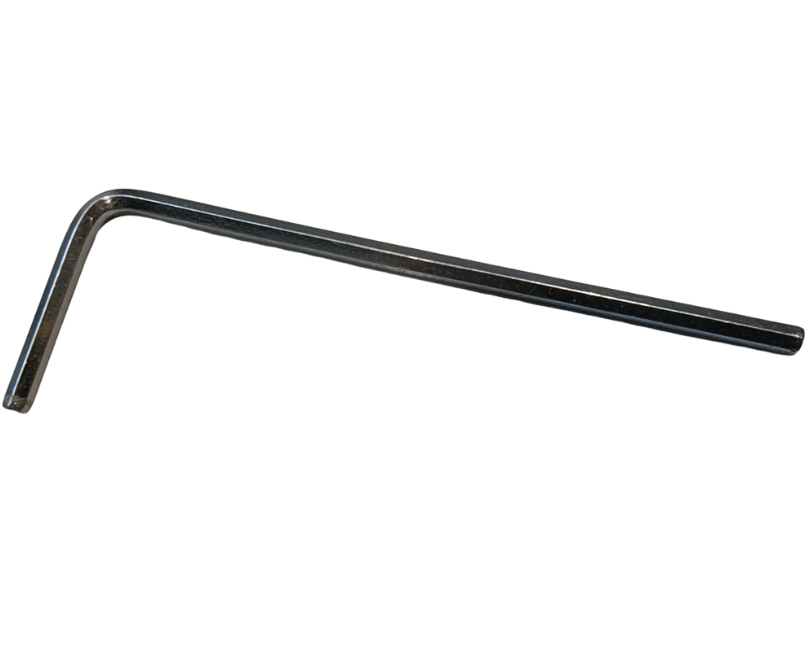
Hex Wrench *1
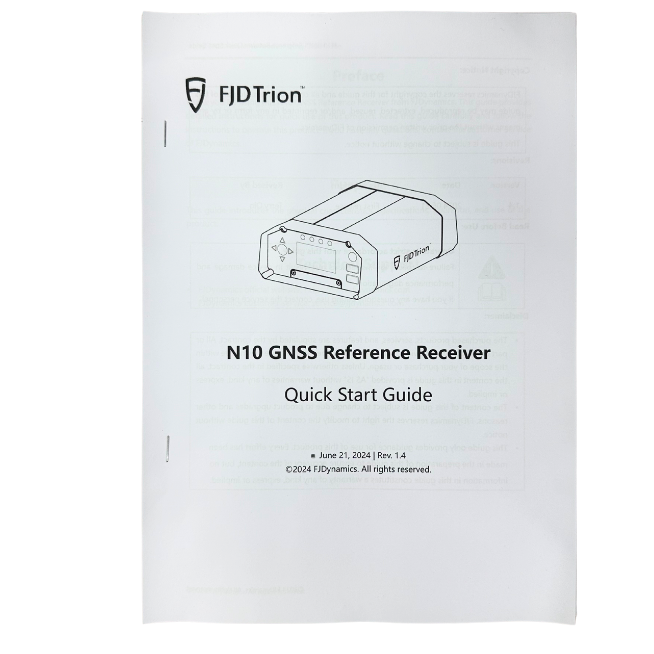
Quick Start User Guide *1
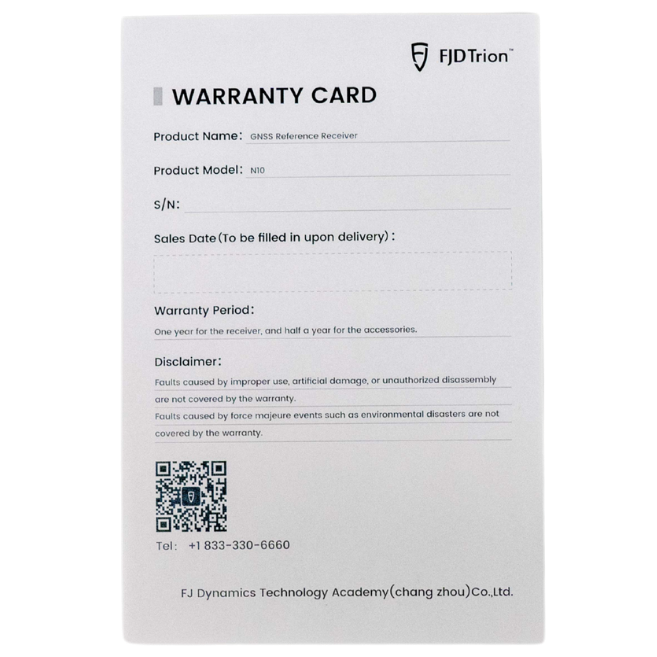
Warranty Card *1

Certification *1
Choke Ring Antenna Packing List
Choke Ring Antenna *1
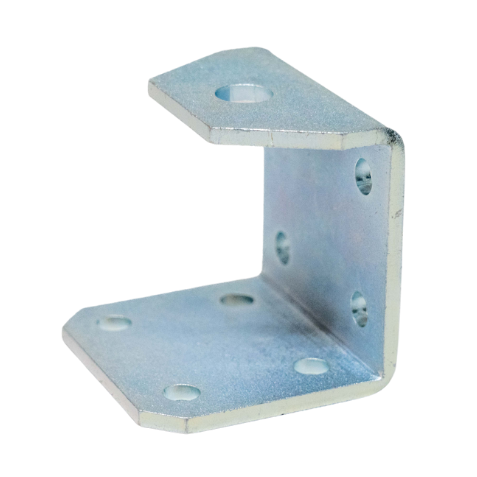
Clip *1
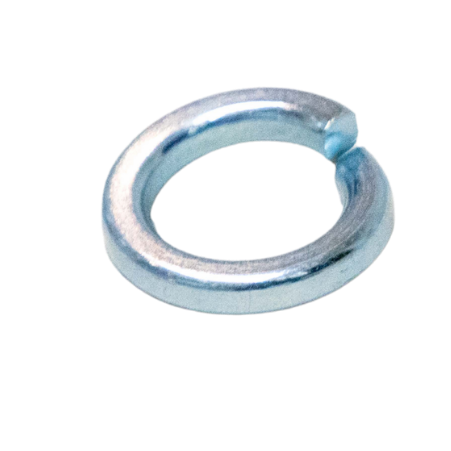
Spring Washer *1
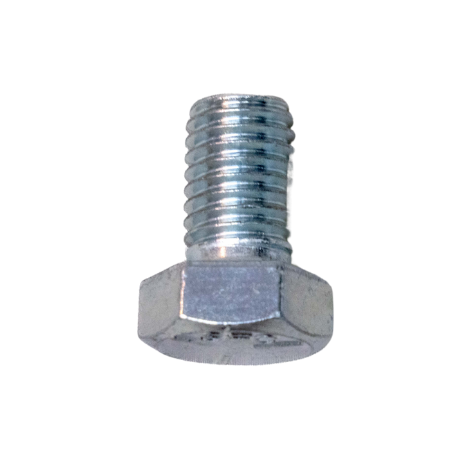
Bolt *1
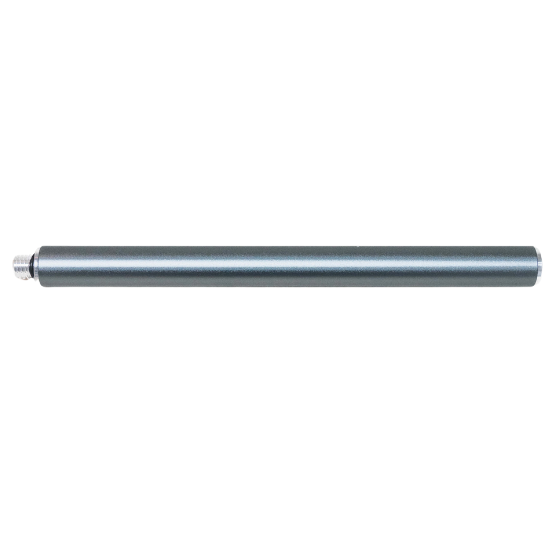
Aluminum Pipe *1
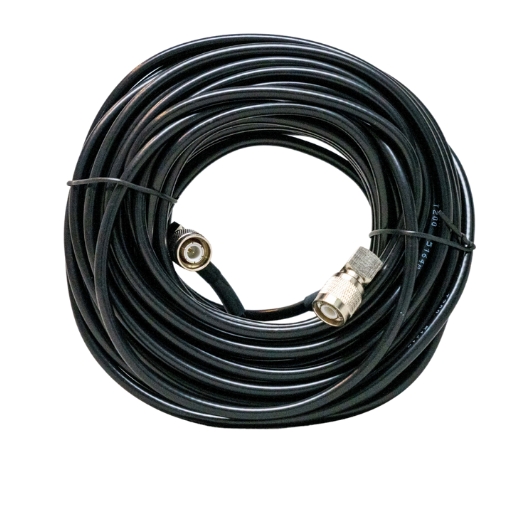
Feeder *1
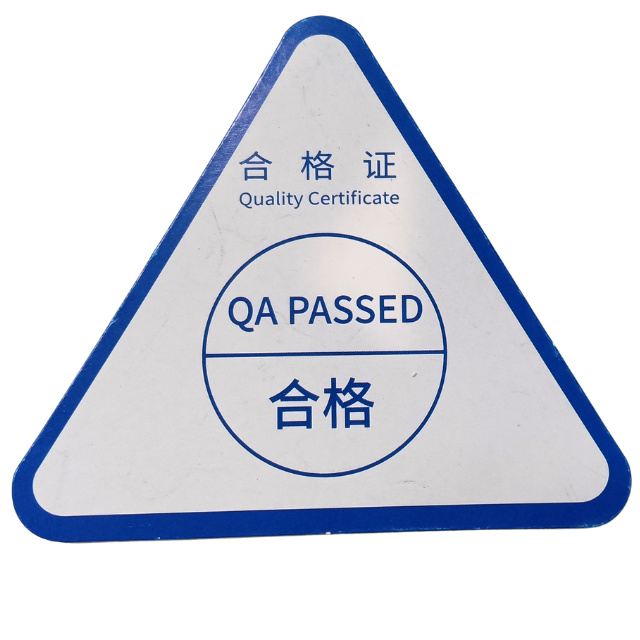
Certification *1
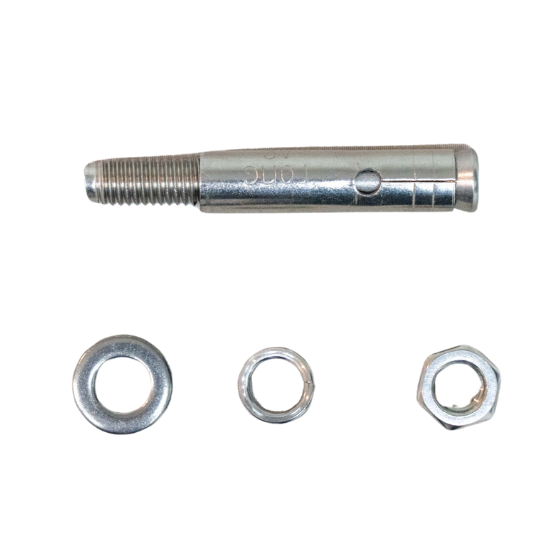
Expansion Bolt *4
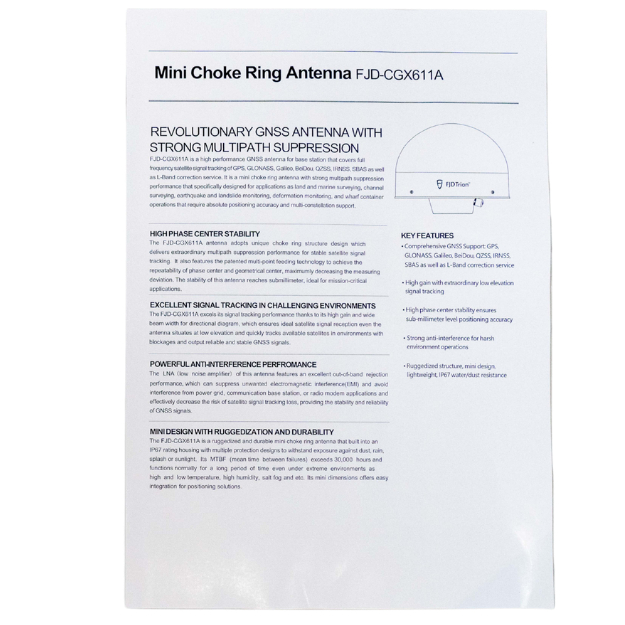
User Manual *1
Download
FAQs
Transmit RTK signals via the network—don’t worry about distance limits or terrain obstructions. Focus on your terminal’s computing power—make sure it delivers the accuracy you need under current signal conditions. Stay within 30 km to ensure stable positioning and reliable performance. Apply it to most precision operation scenarios with confidence!
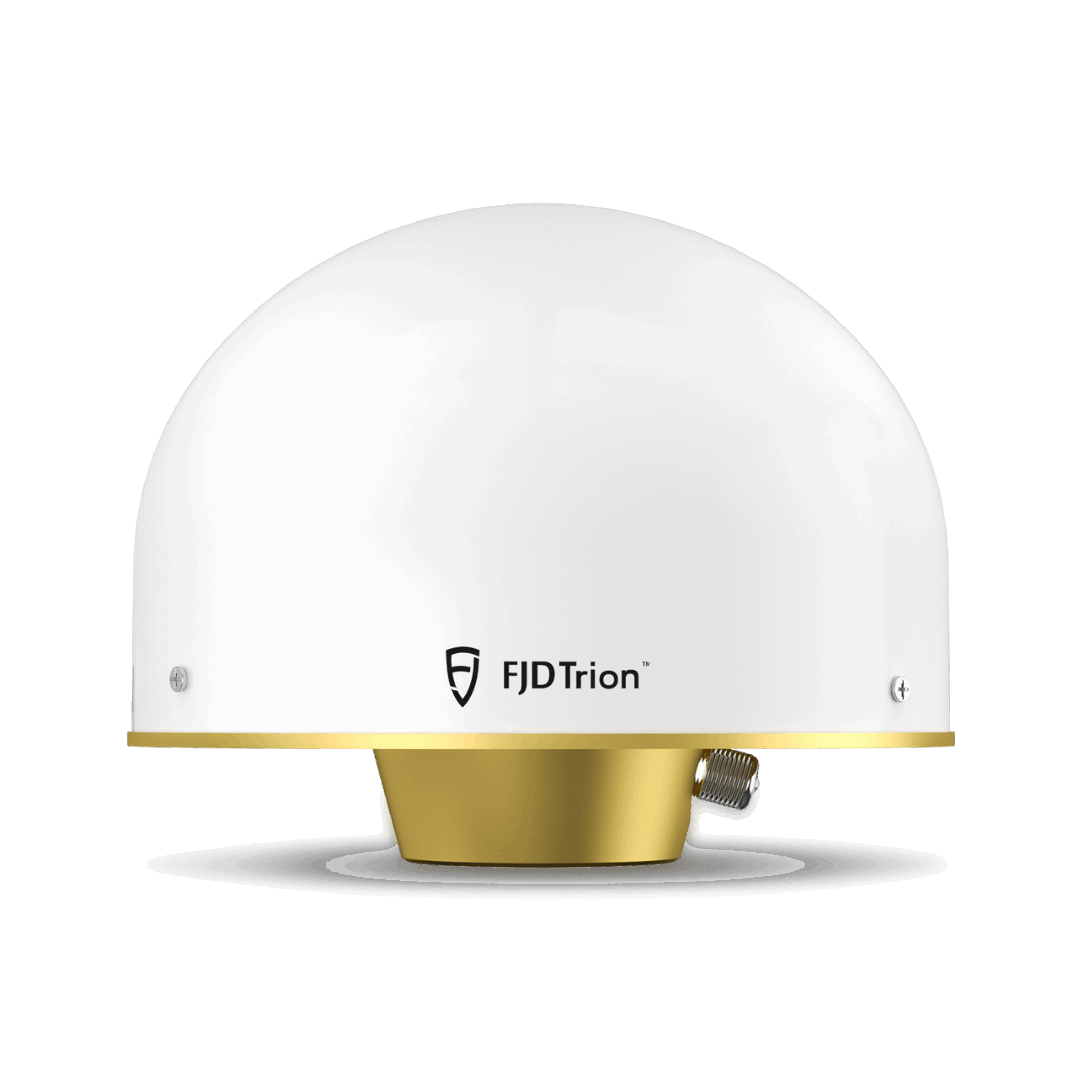
Place the GNSS antenna in an open area—keep it free from obstructions and interference. Stay at least 300 m away from objects that may cause signal interference. Ensure a satellite line of sight with an elevation angle greater than 10°. Mount the GNSS antenna vertically—never install it at an angle.
Note that N10 typically consumes 5W. Expect about 3.6 kWh per month and around 43.8 kWh per year.When the external power supply is disconnected, the built-in battery can provide up to 24 hours of operation.
Connect via Ethernet, 4G, or Wi-Fi—or pair it with a Starlink terminal. Enable dual or triple network backup, and follow the priority order: Ethernet > 4G > Wi-Fi. It is recommended to use a 4G SIM card with a 10 GB/month data plan.
Each NTRIP account corresponds to a single user terminal. Do not use the same account on multiple terminals simultaneously—staggered usage is allowed. The NTRIP account requires a subscription; Renewal is a must to continue usage after expiration.
N10 can align with the local NTRIP service coordinate system. If no special requirements, FJDynamics will use ITRF2020 defaultly to compute and set the base station coordinates.
Both the N10 CORS station and terminal must maintain network stable.When multiple CORS stations provide regional coverage, the FLBS platform will automatically switch the terminal to the nearest station (without user awareness).
Choose the appropriate access point based on the RTK signal format supported by the terminal.N10 CORS station provides a universal access point (RTCM), compatible with all FJDynamics products.For other brand terminals, it is recommended to confirm compatibility with FAE in advance.